04 / Finish the outside
MAKE EVERY LABEL LEGIBLE
A well-packed parcel still needs secure seams and an unmistakable destination.
Seal sound board, not a packing problem.
Check the contents and fit before reaching for tape. The flaps should lie flat and meet without being pulled into position. Tape cannot reliably compensate for a split box, an overloaded base or contents that push the walls outward. If the package needs force to stay closed, reopen it and correct the box or packing arrangement first.
Use packaging tape suited to corrugated board, the load and the expected conditions. Household stationery tape, masking tape and decorative tape are not dependable substitutes. Apply tape to clean, dry surfaces and press it down firmly so the adhesive contacts the board. Dust, dampness and loose paper fibres can prevent a useful bond.
For a typical regular slotted box, an H-style seal covers the central opening and the two edge seams on both the top and bottom. The precise tape specification and application should follow the box supplier’s and carrier’s guidance. Keep the finished surface tidy, without loose tape tails that could catch during handling.
Confirm the address at the source.
Ask the recipient to confirm their delivery address, especially an apartment number, building name or business department. Check the postcode or postal code with the destination’s official postal guidance when necessary. Do not assume that an address format used in one country works unchanged in another.
Royal Mail provides United Kingdom addressing guidance, USPS provides guidance for United States mail, and Canada Post publishes Canadian address information. The Universal Postal Union also provides international addressing resources. These sources help with structure, but they do not replace checking the actual address with the recipient. A correctly formatted address can still point to the wrong place.
Use the carrier’s booking fields as intended. Put any required contact information in the appropriate field rather than squeezing it into the street line. Include a return address according to the service instructions. An additional copy of essential sender and recipient details inside the parcel can help if the outer label becomes detached, although it cannot guarantee recovery.
Give the label a flat, readable surface.
Print or obtain the label using the carrier’s instructions. Check that the text is sharp, the entire label is present and any barcode has its required clear space. Avoid resizing a shipping label unless the carrier’s printing instructions explicitly allow it. A barcode that looks plausible to the eye may still be unsuitable for scanning.
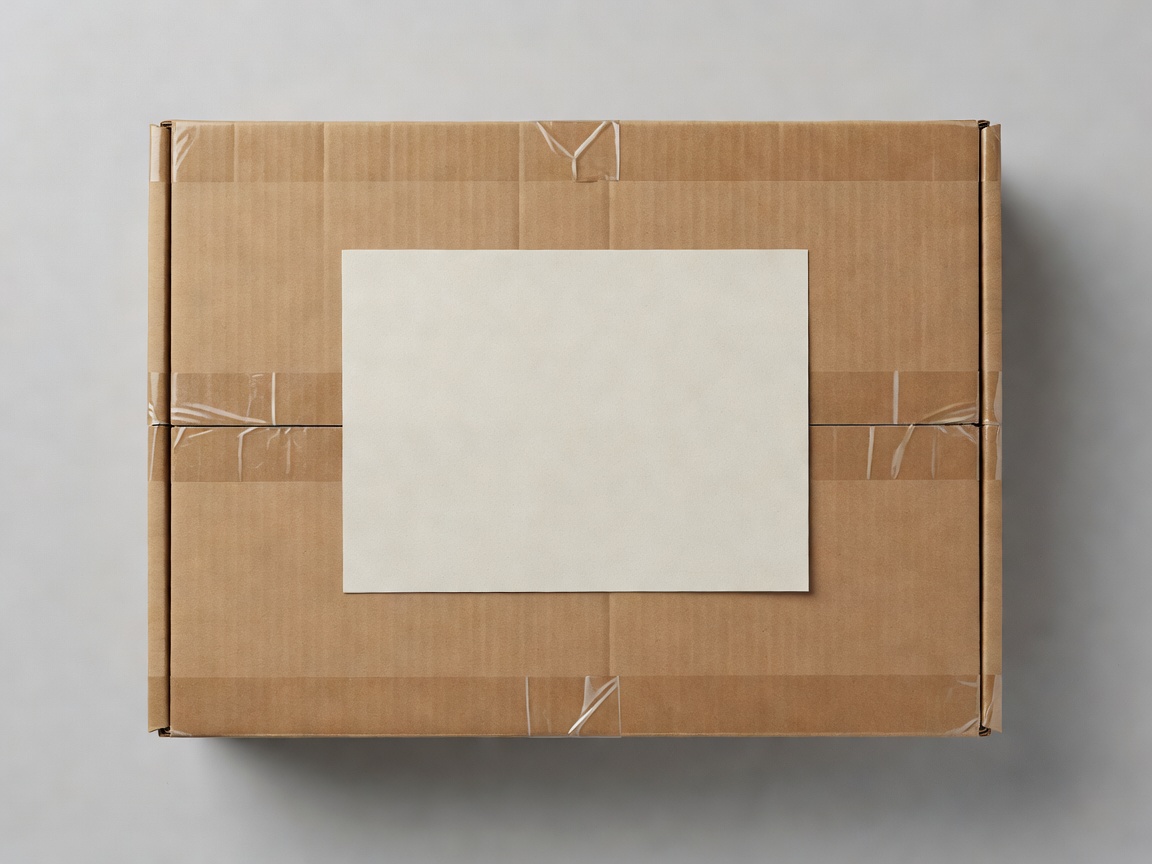
Place the label on a broad, flat face, away from corners, edges and the opening seam. Do not fold a barcode around the box or position it over a ridge. Attach the label securely using the method the carrier recommends. If a document pouch is required, check that it lies flat and does not obscure the relevant information.
Do not cover barcodes with shiny tape unless the carrier specifically permits it; glare and wrinkles can interfere with reading. Keep labels clear of strapping and other documents. Customs paperwork may need a separate approved pouch or electronic submission. Follow the service’s instructions rather than stacking documents over the shipping label.
Make handover the final check.
Compare the finished parcel with your booking. Confirm the service, destination, weight and outer dimensions. A packaging change made after buying the label may require an updated booking. Check the drop-off location’s acceptance conditions and opening information directly; not every counter or parcel point accepts every size, service or type of contents.
If the service uses a label-printing code, confirm where it can be used and what you must bring. Do not assume any counter can print any carrier’s label. Keep your booking reference accessible without exposing unnecessary personal information on the outside of the parcel.
At handover, request or retain the proof of acceptance available for your service. Keep the receipt, shipment reference and any photographs of the packed parcel together. A booking confirmation is not necessarily evidence that the carrier has received the package. If an acceptance scan does not appear, use the carrier’s stated support process rather than assuming the parcel is lost.